references and research
Article
Front Psychiatry “Art and Psyche Festival”: Utilizing the power of art against the stigma around mental illness, 2023
This article recognizes the power of mental health challenges being represented in art. It is well known that mental health has long been stigmatized in society and this article highlights the devastating impacts of this: “The results of the Mental Health Million project, which is a survey on global mental wellbeing launched by Sapien Labs, revealed that in 2021, more than 50% of people with clinical mental health risks did not seek psychological help. It also stated that 25% of those not seeking help cited stigma as the leading cause.” From this we can infer that patients fear prevents them from receiving the help they need, a dangerous issue. The authors state that representing mental health issues in art can be used as a tool to reduce discriminatory behavior and can positiviely impact the stigma by “constructing shared meanings and engaging audiences on an emotional level”. They reference a study (Riches et al) whereby gallery visitors were exposed to artworks challenging common mental health myths and reported on the increase in positive attitudes towards the subject from participants highlighting the impact art can have in this area.
My work aims to create photographs that resonate personally with people living in similar circumstances to my own. To create images that speak to the little things, the small feelings and symptoms others may recognize as their own. By removing my model’s identity, I allow the symbolism to take over, letting the work speak to others rather than be entirely personal. In turn the photographs will hopefully provide fuel to this cause.
Article
PRACTICE AS RESEARCH - APPROACHES TO CREATIVE ARTS ENQUIRY
’THE Magic IS IN HANDLING’ BARBARA BOLT PG 27-34
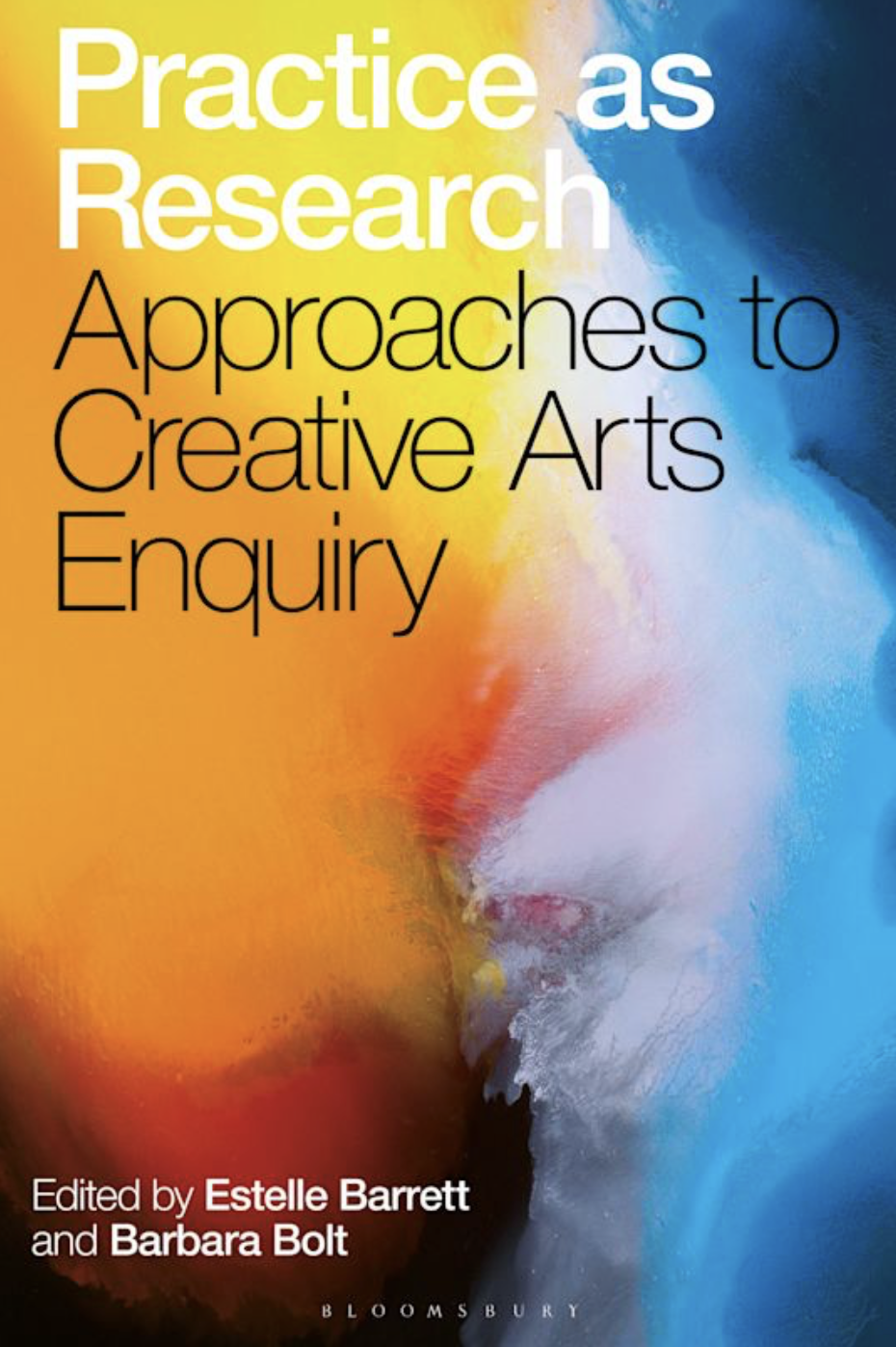
Carter believes that ‘material thinking occurs when ‘what begins to happen wherever artists talk about what they are doing, in that simple but enigmatic step, joining hand, eye and mind in a process of material thinking’ (Carter 2004: xiii) (pg 30)
Barbara recognizes that through an artists process of handling materials and of making, new revelations and ideas can spark and concepts can take shape.
This relates to my ongoing exploration of materiality and conceptual expression as I myself find revelations regarding my visual narratives and material choices to not only occur when ideating before shooting, but in the process of handling my props, arranging them and crafting new meaning from them. In my work the process is as important to the conceptual development as the initial thinking and planning.
Article
phenomenology of perception
maurice merleau-ponty, 1945
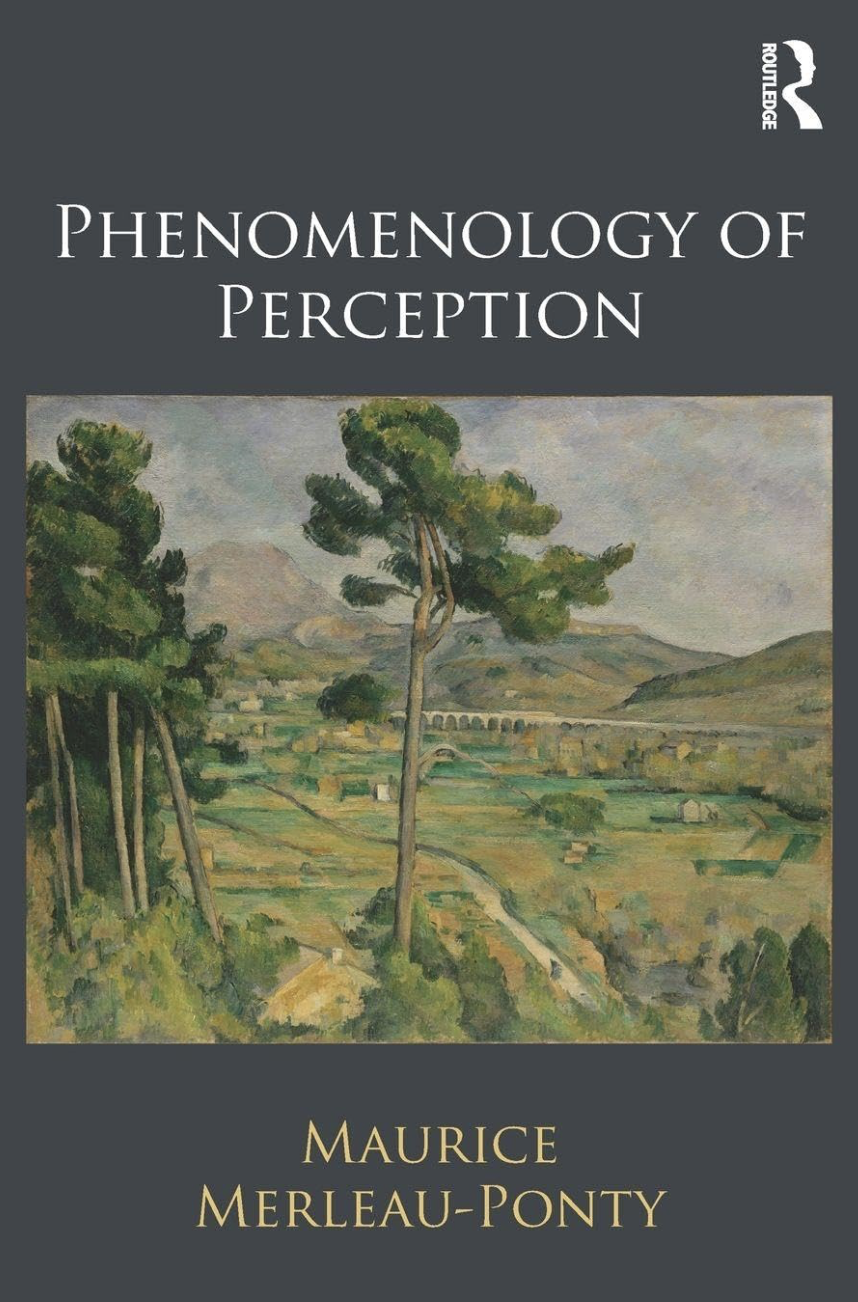
My project is situated within a phenomenological and practice-led framework, exploring how lived experience can be articulated through material engagement and photographic processes. Phenomenology, is described by Maurice Merleau-Ponty as the study of “the basic structures of human experience and understanding from a first-person point of view” (Phenomenology of Perception, viii). Central to this view is the idea that perception is not a detached act of looking, but an embodied, sensory negotiation with the world.
Through constructing and photographing sculptural assemblages and obscured portraits, this project becomes an embodied inquiry into the tensions between control and collapse, visibility and concealment. The gestures of balancing, arranging, wrapping and revealing operate through what Merleau-Ponty calls the ‘body schema’, the pre-reflective, lived sense of one’s body in action (pp. 100–102). As I work with objects such as buckets, organic elements, fabric and fragmented materials, the process becomes a form of thinking through doing. Meaning emerges not entirely from symbolic intention alone but from tactile negotiation with weight, texture and instability.
Following Merleau-Ponty’s discussion around how perception arises from the intertwining of body and world, my project considers how sensory engagement with materials can reveal aspects of emotional and physical experience that are otherwise intangible. In other worlds it provides visual realisations for the typically invisible. The still life images and portraits do not simply depict internal states; they enact them. In this way the work operates as a phenomenological expression of experience, where meaning is formed in the relationship between the body and the materials.