❋
defining
luxury
Key reference
CONSTRUCTIONS OF LUXURY IN DIGITAL VISUAL CULTURE
LORNA PIATTI-FARNELL
2024 - AUCKLAND UNIVERSITY OF TECHNOLOGY
Defining Luxury
Julia Howe, 2026
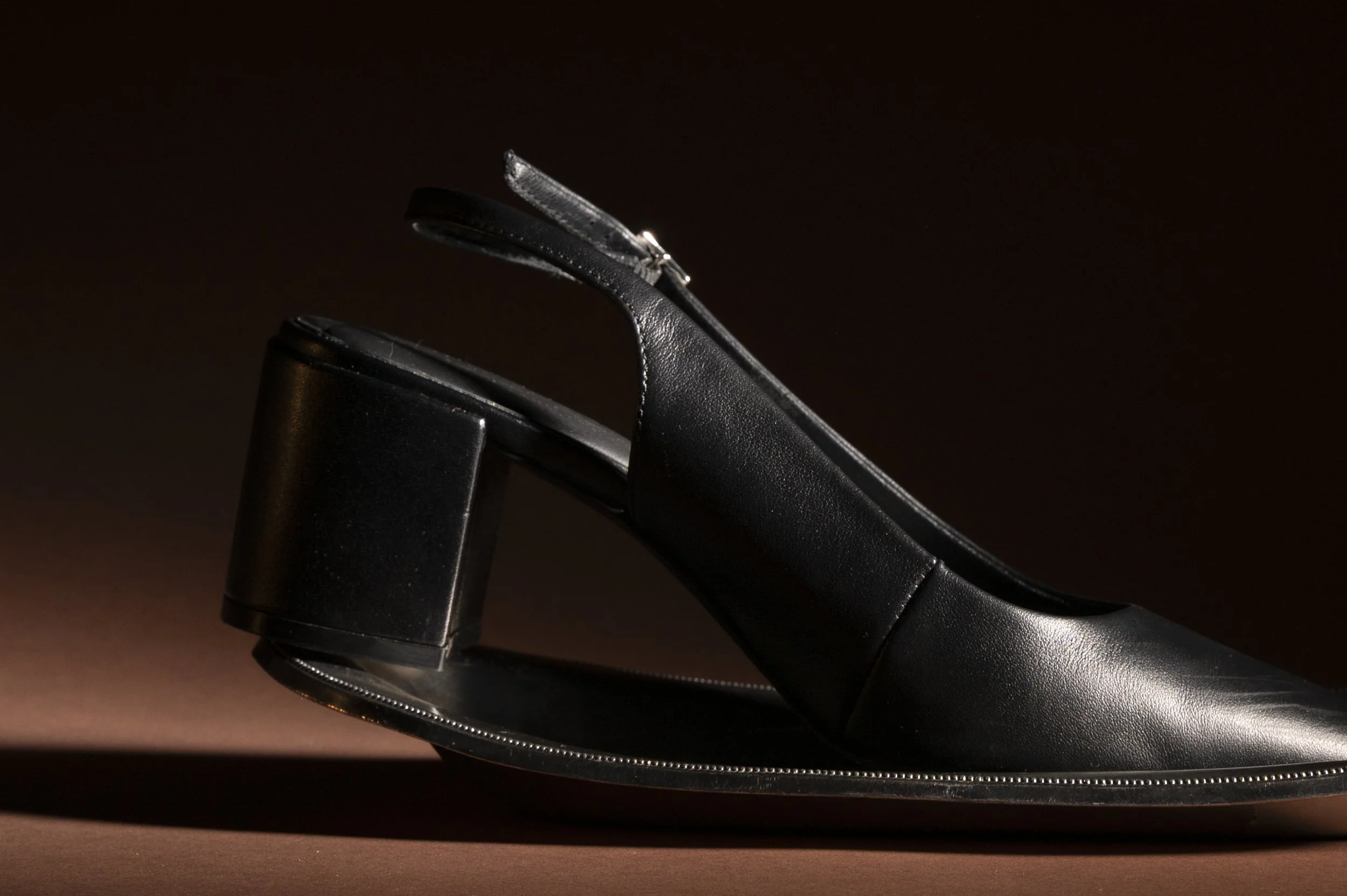
How do we, as a society, define luxury? How have we as a society decided that one item is worth more than the next despite near identical manufacturing? In a culture shaped and driven by imagery, these distinctions are becoming more and more difficult to untangle. Our perception of worth is often constructed for us by the media we digest. This project investigates the ways in which marketing, visual language, and storytelling shape our perception of worth. By examining luxury as a subjective and culturally dependent concept, the work explores how value can be visually manufactured through advertising imagery, and questions whether objects traditionally considered “low value” can be recontextualised as desirable through these same strategies. The following research delves further into these ideas.
Piatti-Farnell discusses the notion of ‘Luxury’ as a construct. She laments that traditionally the term was highly defined by class however in today’s landscape, and particularly with social media as a factor, ‘luxury’ is deemed far more accessible.
She defines luxury as a “subjective experience” and references Linda Lisa Marie Turuen’s Interpretations of Luxury: Exploring the Consumer Perspective, (2017) in saying that the concept has emerged as a “consumer and culture-dependent construct”. This is particularly relevant in the context of media as it is today, where advertising has become far more affordable to brands. Today luxury is more often than not an ‘artificial construction’ contrived and built from careful design choices that are intended to “boost perceived luxuriousness (Turunen 2017)” .
There is a number of factors that play into this ‘construction’ of luxury and our perception of it. This can be somewhat defined by what’s known as the “realms of luxury” (Roberts & Armitage 2019). In particular this project relates to the second and third. The relates to “imaginary connections and evocations that are rendered in order to conceptualise the experience of luxury—feelings, aspirations, daydreaming, and associations with ideas of worth and value (Roberts & Armitage 2019)”. This is where styling comes into it. Using props with associated worth and status such as silver platters provide an immediate connotation of worth and may be used as tools to lift the perceived status of something ‘less valuable’ (such as an op-shop bag). The third ‘Realm’ of luxury applies the context of the subject and the connotations through the “construction of images and narratives that can be sold as both desirable and achievable, and offers brands “the opportunity to leverage consumers (Roberts & Armitage 2019)’ imaginations to extend the demand for luxury goods and services (Piatti-Farnell 2024)”. As such throughout this project I will strive to form narratives that shape viewer perception where possible through propping and styling.
From here is it important to look at what these design choices are and what makes them luxurious. Within the context of my project this is particularly relevant in analysing how I am able to depict seemingly ‘low value’ items in a ‘high-end’ manner.
What influences our perception of luxury?
Storytelling is one of the most fundamental ways in which luxury brands define their visual personas (Atkinson & Kang 2021). Brands often forge stories in multimedia approaches. This is often evident in their language, imagery and the relationship they build between these elements on various platforms. Brands create voices and visual personals that they then translate across various media. I am able to translate this into my own project through the selections of objects I choose to pair my ‘products’ with.
By using more domestic, everyday objects against moodier backdrops, with deliberate lighting I am able to connect with audiences whilst providing a sense of luxury in my colour and lighting. Brown for example has known connotations of luxury and value, particularly in a darker tone, and particularly today where neutrals dominate the visual landscape. Historically richer colours like black and maroon have always held a position of power and authority. Brown has developed its own prestige over the years particularly given its use in high-profile brands such as Lois Vuitton. When discussing brand experience theory it is known well known that colour ‘not only influences consumers emotional judgement, but also carries the communication and symbolism of brand values (Lin 2025)’. Louis Vuitton has long maintained its colour system of beige, dark brown and gold throughout the years and has become recognisable for it and in turn it’s industry recognisability has lifted the perceived value of those colours in other contexts and brands. The brands long standing success has infused values of ‘stability and dignity (Lin 2025)’ into our subconsciousness, and this is leveraged by many brands today.
Luxury is also often determined by what is unobtainable. High-end brands are constantly faced with a problem of “the more desirable the brand becomes, the more it sells, but the more it sells, the less desirable it becomes” (Kluge 2016).
In the case of this project most of the accessories used are not worth much even new. So, to provide a perception of uniqueness there is benefits to highlighting the individuality and journey of each item. This means potentially highlighting the wear and flaws or creating a unique narrative for each. Through propping it is possible to give an object a personality and a perceived history, and this strategy will be invaluable within the series.
In summary, this research reveals that luxury is not always an inherent quality, but a often perception shaped through cultural context, visual cues, and narrative construction. Elements such as styling, colour, and storytelling play a critical role in influencing how we perceive value. By applying the strategies investigated, this project will challenge conventional hierarchies of worth, demonstrating how everyday or low-value objects can be elevated through intentional design and presentation. Ultimately, the work highlights the fluidity of value, encouraging viewers to reconsider not only what they perceive as luxurious, but why they perceive it that way.
Additional references
Atkinson, SD & Kang, J 2021, ‘New luxury: defining and evaluating emerging luxury trends through the lenses of consumption and personal values’, Journal of Product & Brand Management, vol. 31, no. 3, pp. 377–393, <https://www.emerald.com/insight/content/doi/10.1108/jpbm-09-2020-3121/full/html>.
Kluge, PN 2016, Marketing luxury goods online, Peterlang, Francfort.
Lin, T 2025, ‘The Color and Artistic Strategy in Louis Vuitton’s Cross-disciplinary Collaborations: The Fusion and Innovation of Brand Traditions and Contemporary Art’, Lecture Notes in Education Psychology and Public Media, vol. 114, no. 1, pp. 105–110.
Piatti-Farnell, L 2024, ‘Constructions of Luxury in Digital Visual Culture’, M/C Journal, vol. 27, no. 6, <https://journal.media-culture.org.au/index.php/mcjournal/article/view/3135>.
Roberts, J & Armitage, J 2019, The Third Realm of Luxury, Bloomsbury Publishing.
Turunen, LLM 2017, Interpretations of Luxury : Exploring the Consumer Perspective, Palgrave Macmillan, Cham Springer International Publishing Imprint.